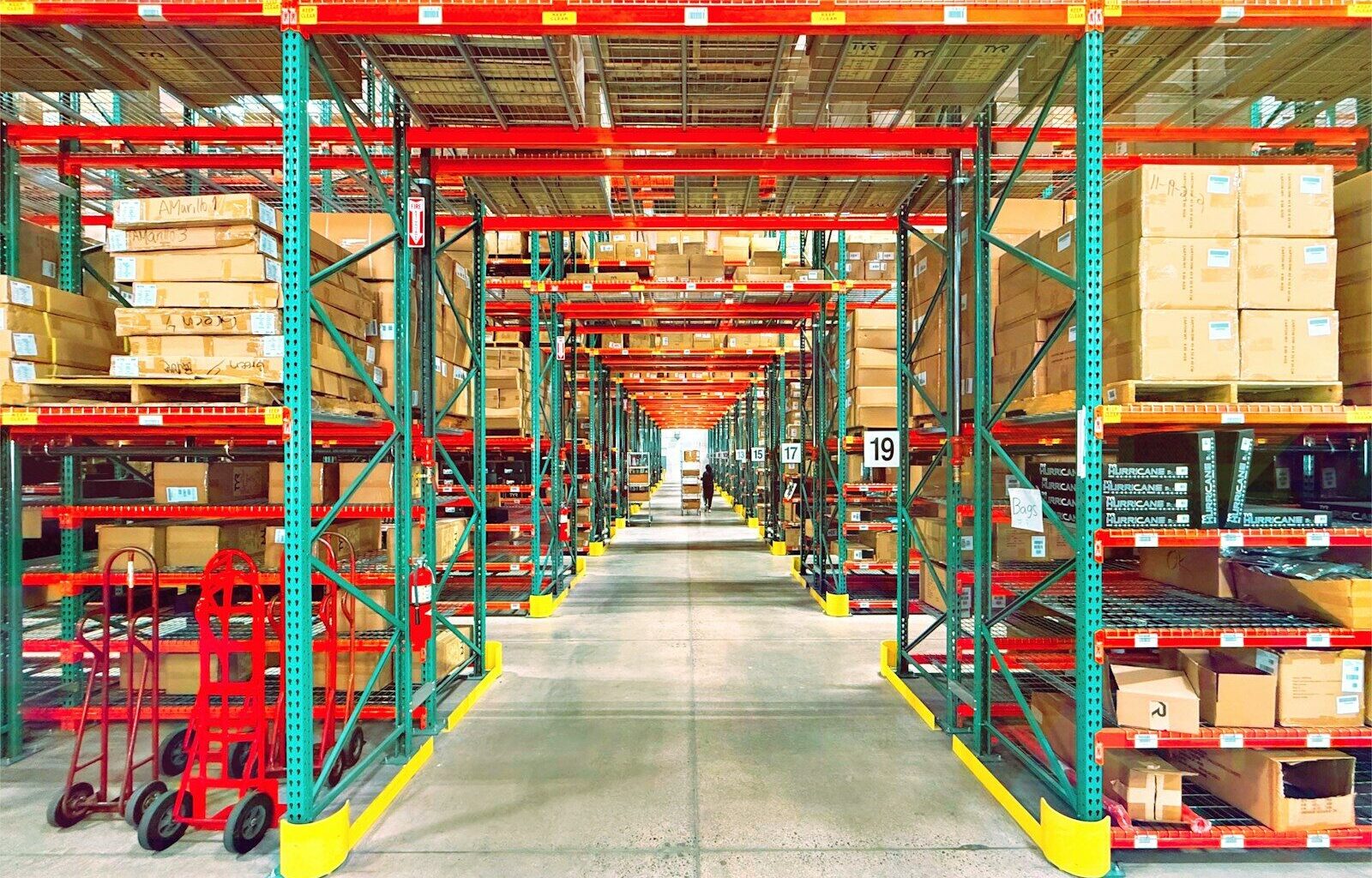
I looked at my warehouse one afternoon and realized, with genuine discomfort, that roughly $34,000 of my total cash position was sitting on shelves in the form of inventory that hadn’t moved in over four months. The business looked reasonably healthy on a basic profit and loss statement. That $34,000 was real money, tied up and completely inaccessible, that could have gone toward marketing, toward a needed hire, toward the actual cash buffer I’d been telling myself the business lacked, if it hadn’t been sitting quietly on a shelf instead.
This specific mistake, over-investing in inventory without tracking how much cash it’s actually tying up, is one of the quieter, less discussed ways small businesses undermine their own financial flexibility, precisely because inventory feels like an asset rather than a cost, even when it’s genuinely functioning as dead weight on the business’s cash position.
Why Inventory Feels Different From Other Costs, and Why That’s Misleading
Money spent on marketing or a new hire registers immediately and intuitively as a real cost, something you consciously budgeted for and decided to spend. Money spent on inventory feels different, more like converting cash into an asset you still technically own, rather than genuinely spending it. This framing is accurate in a narrow accounting sense and misleading in a practical, cash-flow sense, since inventory sitting unsold is functionally just as unavailable as cash spent on anything else, worse in some ways, since it also carries ongoing storage costs and the real risk of eventual obsolescence or spoilage.
I hadn’t consciously registered my slow-moving inventory as a real cost, precisely because it still technically counted as an asset on paper, right up until I calculated what that $34,000, freed up and available, could have actually accomplished elsewhere in the business.
How to Actually Calculate What Your Inventory Is Costing You
Calculate your inventory turnover rate honestly, by category if your inventory spans multiple types of products. How many times per year does a given category of inventory actually sell through and get replaced, versus sitting largely static. A low turnover rate for a specific category is a direct, calculable signal of cash tied up longer than genuinely necessary.
Identify your specific slow-moving items, not just an aggregate average across your full inventory. An aggregate turnover number can mask a genuinely serious problem in one specific category while faster-moving categories pull the overall average toward a number that looks acceptable. I discovered my $34,000 problem was concentrated almost entirely in two specific product lines, not spread evenly across my full inventory, a distinction the aggregate number alone hadn’t revealed.
Calculate the real, ongoing cost of holding that slow-moving inventory, not just its original purchase price. Storage space, insurance, the real risk of eventual obsolescence or damage, and critically, the opportunity cost of that cash being unavailable for anything else, all represent real, ongoing costs beyond the initial purchase price, costs that compound the longer genuinely slow-moving inventory continues sitting unsold.
What Actually Fixes This, Beyond Just “Order Less”
Set a specific, honest reorder threshold based on actual turnover data, not intuition or habit. My original ordering decisions had been based on a rough, comfortable-feeling buffer rather than actual, calculated turnover data for each specific product line. Rebuilding reorder quantities around real turnover numbers, rather than an intuitive comfort level, directly addressed the root cause rather than just the visible symptom.
For genuinely slow-moving existing inventory, run a deliberate clearance rather than continuing to hold and hope. The $34,000 in slow-moving inventory I discovered wasn’t going to resolve itself by continuing to sit on the shelf. A deliberate, planned clearance, even at reduced margin, converted a meaningful portion of that tied-up cash back into usable, flexible capital considerably faster than continuing to wait for organic sell-through.
Build the quarterly inventory review into a regular habit, not a one-time correction. This mistake compounds silently precisely because nobody’s regularly reviewing turnover data as a deliberate habit. A recurring quarterly review, similar in structure to a vendor review, catches slow-moving inventory building up again before it accumulates into another significant, surprising number.
Why This Mistake Is Genuinely Easy to Miss Until You Look Directly
A profit and loss statement doesn’t clearly surface this problem, since inventory purchases and inventory value don’t map directly onto the kind of monthly view most small business owners regularly check. The mistake specifically requires a deliberate, direct look at inventory turnover and cash tied up, a review most small business owners simply aren’t running as a regular habit, precisely because nothing in their normal financial routine prompts it automatically.
What to Do Now
Calculate your actual inventory turnover rate this week, broken out by category or product line rather than as a single aggregate number. Identify your specific slowest-moving items and calculate honestly how much real cash is currently tied up in them.
If that number surprises you the way mine did, consider a deliberate clearance for the genuinely slow-moving portion, and build a recurring quarterly review into your regular routine so this doesn’t quietly rebuild itself again a year from now.